Verified > 99% Lab-grade Peptides
Chemical & Physical Peptide Evaluation
Innovative Proteomics is a trusted provider of proteomics analysis services. Thanks to our exceptional researchers and powerful mass spectrometry system, we off offers worldwide consumer with extensive and professional peptide pureness analysis solution by using RP-HPLC. If you have any kind of questions or certain requirements, please feel free to contact us.Peptide Functional Analysis In Biomedical Research
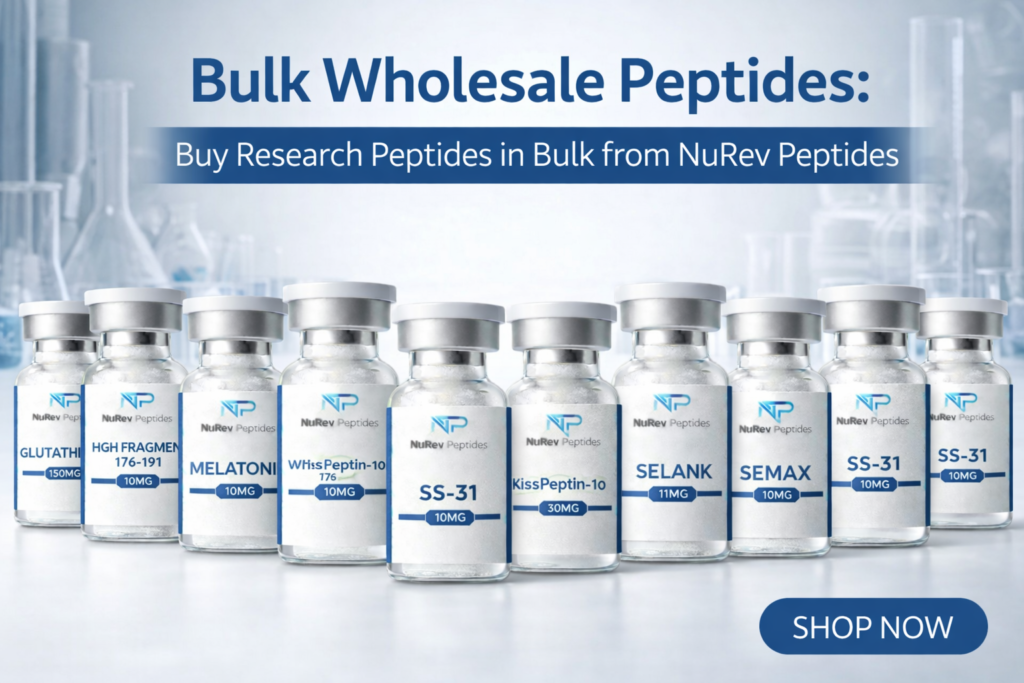
- In addition, strategies such as amino acid analysis and HPLC are used to verify the peptide's identification and purity, ensuring accurate characterization for different applications.
- Contact us today to discuss your peptide series, example standing, and logical purposes.
- This write-up will certainly break down just how peptide purity is gauged, why it stands out from peptide identification, what the usual purity degrees (95%, 98%, 99%) represent, and what "research-grade" indicates in practice for peptide reagents.
- Internet peptide content describes how much actual peptide (by weight) remains in the vial about non-peptide elements like water, counter-ions (e.g., TFA), or barrier salts.
- We support targeted evaluation of pertinent residuals based on the task and sample background.
Apex Lab is a specific supplier of high-purity chemical reagents and peptides. All items provided are strictly for in-vitro research laboratory research and development use only. Check out flagship study peptides with batch-specific COA documentation and HPLC/MS verification. Products are for in-vitro lab research study usage just and are except human usage.

What Peptide Testing Can And Can Not Prove
To conclude, comprehending peptide pureness levels and grades aids you make notified choices for your experiments. A peptide's pureness percentage tells you just how much of that sample is the actual offer versus byproducts, with common research study qualities being around 95% approximately 98-99% for extra purity. Analytical HPLC and MS are your pals below-- HPLC quantifies purity, and MS validates identification, together guaranteeing you understand what remains in your tube.FDA and the European EMA have actually established standards mandating thorough evaluation and quality control for peptide items to ensure safety and security and effectivenessr. In the context of pharmaceutical or clinical-grade peptides, lab validation is essential to meeting these standards. As an example, before a peptide medication can enter human trials, its producer needs to demonstrate the identity, pureness, potency, and safety of the peptide with validated analytical approaches. Peptide pureness screening data are obligatory in preclinical studies and have to be consisted of in investigational brand-new drug (IND) applications and later brand-new medicine applications (NDAs).
Unlike a producer's in-house testing, independent third-party laboratory validation is objective and offers objective outcomes, adding reputation via objective analytical data. This procedure is important for keeping high peptide quality since the peptide market is greatly uncontrolled in lots of locations, and without recognition some providers may use unclean, mislabeled, and even counterfeit peptides [3] Making certain that each set undergoes appropriate lab screening assists validate the peptide's credibility and purity, which is crucial for both study validity and security. Peptide purity refers to the percent of your example that is the appropriate, unabridged peptide series, free from various other peptide-related impurities. For instance, a pureness of 98% suggests that 98% of the peptide material is the desired item, while the Online Peptide Store various other 2% may be unwanted residues of synthesis (such as incomplete series or amino acid removal variations).Corrections
Spot something wrong? Send it to the desk and it gets fixed in the open.